Building Climate Modeling Applications with .NET Core
Learn how .NET Core enables developers to create scalable climate modeling applications. By integrating IoT, AI, and cloud services, these tools provide insights to combat climate change, optimize resources, and support sustainable development. Build solutions that make a difference today!

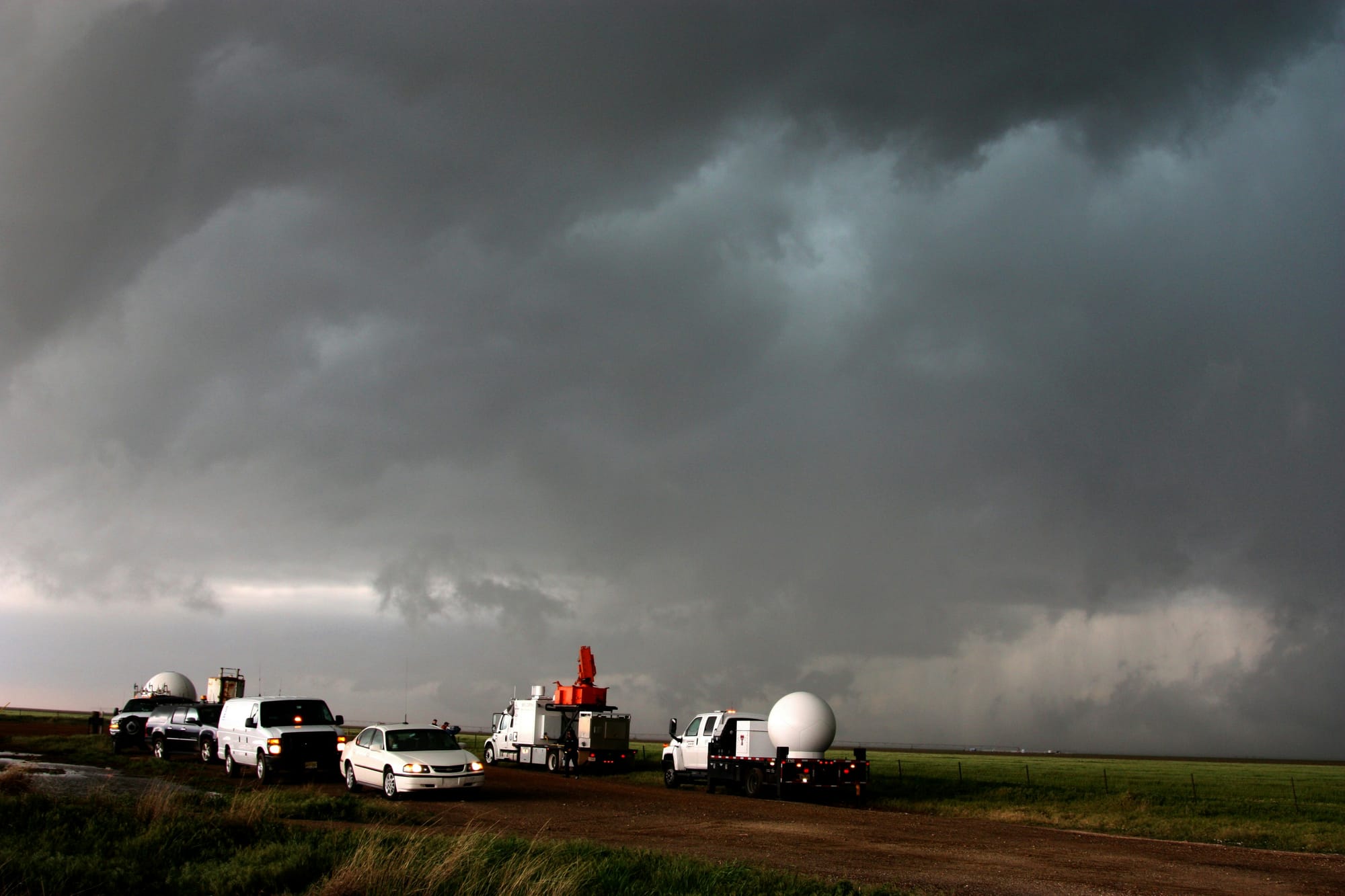
As part of my ongoing blog series on sustainability, I wanted to explore something close to my heart: how we, as technologists, can make a difference in addressing climate change. Climate modeling is a powerful tool that helps us understand and mitigate its impacts. By combining data analysis, simulations, and predictive models, we can help organizations make smarter decisions to reduce risks and adapt to environmental changes.
In this post, I’m sharing how .NET Core can play a key role in building climate modeling applications. As a solution architect, I’ve seen firsthand how its flexibility and performance make it a great choice for integrating real-time data collection, AI, and scalable solutions. Plus, it’s a solid platform for working with the kind of complex, high-performance systems that climate modeling requires.
I’ll walk you through some practical examples, use cases, and strategies for implementing .NET Core in this space. This isn’t just about coding; it’s about using technology to solve one of the biggest challenges of our time. I’m not a professional writer, but I hope this post helps show how we can all contribute to a more sustainable future one solution at a time.
Why Climate Modeling Matters
Climate modeling plays a crucial role in tackling the challenges of climate change by helping us make smarter, more informed decisions. From my perspective as a solution architect, its importance lies in several key areas:
- Risk Management: Predicting extreme weather events so we can better prepare for disasters and reduce their impact.
- Resource Allocation: Optimizing critical resources like water, energy, and agriculture to ensure sustainability and resilience.
- Policy Making: Equipping governments and organizations with actionable insights to craft effective sustainability policies.
- Public Awareness: Helping communities understand the impacts of climate change and encouraging action through education and engagement.
With .NET Core, developers have the tools to build robust, scalable climate modeling applications that address these needs. It’s a platform I personally recommend for its ability to integrate real-time data, leverage AI, and deliver high-performance solutions for real-world challenges.
Collecting Climate Data
Data collection is the foundation of climate modeling. This involves gathering data from sensors, weather APIs, and historical records.
Implementation Steps:
- Define a Data Model:
- Create a model to represent weather and climate data.
public class ClimateData
{
    public DateTime Timestamp { get; set; }
    public double Temperature { get; set; } // Celsius
    public double Humidity { get; set; }    // Percentage
    public double Rainfall { get; set; }    // Millimeters
    public double WindSpeed { get; set; }   // m/s
}
Integrate with Weather APIs:
Use APIs like OpenWeatherMap or NOAA to collect real-time weather data.
public async Task<ClimateData> FetchWeatherDataAsync(string location)
{
    using var client = new HttpClient();
    var response = await client.GetAsync($"https://api.openweathermap.org/data/2.5/weather?q={location}&appid=your_api_key");
    var json = await response.Content.ReadAsStringAsync();
    var weatherData = JsonConvert.DeserializeObject<ClimateData>(json);
    return weatherData;
}
Store Data in Azure Cosmos DB:
Use Azure Cosmos DB to store large-scale climate data for efficient querying and analysis.
var cosmosClient = new CosmosClient("<connection-string>");
var container = cosmosClient.GetContainer("<database-name>", "<container-name>");
await container.CreateItemAsync(climateData, new PartitionKey(climateData.Timestamp.ToString("yyyy-MM-dd")));
Building Climate Models with AI
Machine learning models are essential for making predictions and generating insights from climate data. Use .NET Core with Azure Machine Learning to integrate predictive models into your application.
Using Azure Machine Learning:
Train models to predict extreme weather events, temperature trends, or rainfall patterns.
var client = new MLClient(new Uri("<your-ml-endpoint>"), new DefaultAzureCredential());
var prediction = await client.PredictAsync(new { Temperature = 30, Humidity = 70 });
Incorporate ONNX Models:
Deploy pre-trained ONNX models for local prediction.
var session = new InferenceSession("climate_model.onnx");
var input = new DenseTensor<float>(new float[] { temperature, humidity, rainfall }, new[] { 1, 3 });
var result = session.Run(new List<NamedOnnxValue> { NamedOnnxValue.CreateFromTensor("input", input) });
Generate Risk Assessments:
Analyze predictions to assess risks and recommend actions.
public RiskAssessment GenerateRiskAssessment(ClimateData data)
{
    if (data.Rainfall > 100 && data.WindSpeed > 20)
    {
        return new RiskAssessment
        {
            RiskLevel = "High",
            Recommendation = "Evacuate the area and prepare for flooding."
        };
    }
    return new RiskAssessment
    {
        RiskLevel = "Low",
        Recommendation = "Monitor conditions and continue operations."
    };
}
Visualizing Climate Data
Data visualization is critical for making climate models accessible to decision-makers and the public. Use .NET Core with modern visualization tools to create compelling dashboards and charts.
Create a Web Dashboard:
Build a dashboard using Blazor, React, or Angular with a .NET Core backend.
// Example: Temperature Trends Chart
const data = {
    labels: ["Jan", "Feb", "Mar", "Apr", "May"],
    datasets: [
        {
            label: "Average Temperature (°C)",
            data: [15, 17, 20, 22, 25],
            backgroundColor: "rgba(255, 99, 132, 0.5)"
        }
    ]
};
Integrate Azure Maps:
Display climate patterns geographically using Azure Maps.
var map = new Map();
map.AddHeatMapLayer(new HeatMapLayer
{
    DataSource = climateData,
    Intensity = "Rainfall"
});
Advanced Climate Simulations
Simulations are powerful tools for exploring future scenarios. Use Azure Digital Twins to simulate the impact of climate interventions on a city or region.
Set Up Digital Twins:
Model physical environments digitally.
var client = new DigitalTwinsClient(new Uri("https://<your-instance>.digitaltwins.azure.net"), credential);
await client.CreateOrReplaceDigitalTwinAsync("city-model", JsonPatchDocument.FromPath("/temperature", updatedTemperature));
Run What-If Scenarios:
Simulate the effects of changing variables like temperature or rainfall.
public SimulationResult RunSimulation(double temperatureIncrease)
{
    // Simulate impact on water levels and agriculture
    double waterLevelImpact = temperatureIncrease * 0.5;
    double agricultureYieldImpact = 100 - (temperatureIncrease * 2);
    return new SimulationResult
    {
        WaterLevelChange = waterLevelImpact,
        AgricultureYieldChange = agricultureYieldImpact
    };
}
Reporting and Insights
Generate reports for stakeholders to summarize findings and provide actionable recommendations.
Automate Report Generation:
Use .NET Core to create and distribute reports.
public async Task GenerateClimateReport(IEnumerable<ClimateData> data)
{
    var report = new ClimateReport
    {
        AverageTemperature = data.Average(d => d.Temperature),
        TotalRainfall = data.Sum(d => d.Rainfall),
        RiskAssessment = GenerateRiskAssessment(data.Last())
    };


    await emailService.SendReportAsync("[email protected]", report);
}
Key Metrics:
- Average temperature trends over time.
- Frequency of extreme weather events.
- Regional risk levels and recommendations.
Example Use Case:
Climate Modeling for Disaster Preparedness
Imagine building a climate modeling system for a coastal city:
- Collect data on rainfall, wind speed, and sea levels using IoT sensors.
- Use machine learning to predict the likelihood of flooding during hurricane season.
- Generate real-time risk assessments and evacuation alerts.
- Visualize climate trends and risks on a public dashboard.
- Simulate the impact of interventions like improved drainage systems or seawalls.
Final Thoughts
Climate modeling is a critical tool in the fight against climate change, helping us understand its impacts and prepare for the future. With .NET Core, we have the ability to build scalable, efficient applications that bring together IoT, AI, and cloud services to collect data, assess risks, and provide actionable insights.
As a solution architect, I’ve seen how powerful .NET Core’s framework can be when paired with Azure’s advanced technologies. Together, they enable us to create innovative solutions that empower communities, governments, and businesses to make informed decisions and drive meaningful change.
The challenges of climate change are immense, but so is the potential for technology to help. If you’re a developer, I encourage you to start building today. Together, we can contribute to a more sustainable future one line of code at a time.
Disclaimer: The views and opinions expressed on this website are solely those of the author and do not necessarily reflect the official policy or position of any employer or organization affiliated with the author.